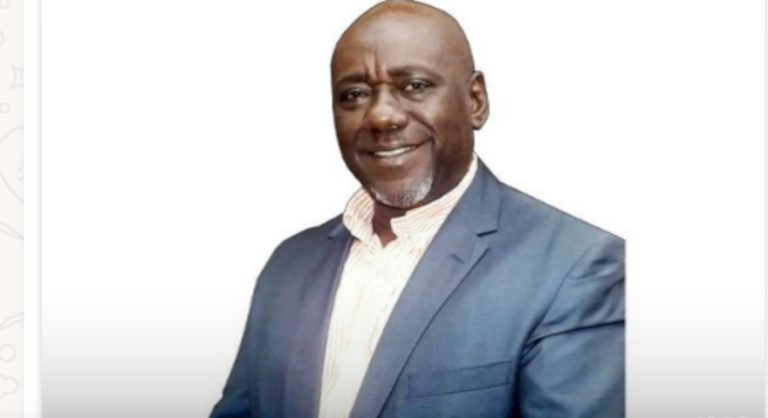
The New Defence Minister, Christopher Musa has declared a firm policy shift, saying no more negotiations or ransom payments to terrorists or kidnappers.
He told the Senate during his screening that “there is no negotiation with any criminal” and that paying ransoms only empowers terrorists — giving them time to regroup, re-arm and plan new attacks.
He warned that even communities or governments that negotiated or paid ransoms have later been attacked again.
He argued that reliance on ransom payments undermines the long-term fight against insecurity,stating that purely military efforts account for only about 25–30% of counter-insurgency, the rest must come from good governance, intelligence, community engagement, and socio-economic interventions.
Musa doesn’t just want to end ransom payments, he’s also calling for broad reforms. A unified national database linking all citizens to banking, identity and security systems to allow easier tracking of suspicious transactions and movements.
Creation of special terrorism courts and legal reforms for faster prosecution and harsher penalties including proposals for death penalty for kidnappers and financiers.
Enhanced intelligence-driven strategy, modern border surveillance, community policing, improved welfare for troops, and better coordination across security agencies and local governments.
He insists security is not solely a job for the military. Communities, local governments, and civilians must play a role.
Parallel to Musa’s policy declaration, the national legislature (both the Senate and House of Representatives) is backing a tougher legal framework.
Moves are underway to classify kidnapping, hostage-taking and related crimes as terrorism, thus extending terrorism laws to kidnappers.
The proposals include death penalty for perpetrators, financiers, accomplices, informants, and even “anyone providing information or enabling kidnappers/terrorists.”
There’s also push for improved national security architecture: intelligence fusion centres, better surveillance, tracking of illegal arms, and more rigorous oversight of security budgets.
About the Author